
Okay, here’s your blog intro:We all know that consistently creating killer content can be a grind. Juggling deadlines, chasing engagement, and staying on top of trends sometimes feels like a Herculean task!
Honestly, I’ve been there – burned out, uninspired, and questioning my whole career path. But I’ve discovered that the key to longevity and success in this field isn’t just about talent, it’s about cultivating the right habits.
These habits keep you sharp, inspired, and ready to tackle the ever-evolving digital landscape. Think of it as leveling up your creator skills! Let’s dive deeper to discover how to do that!
Okay, here we go:
Cultivating a Growth Mindset
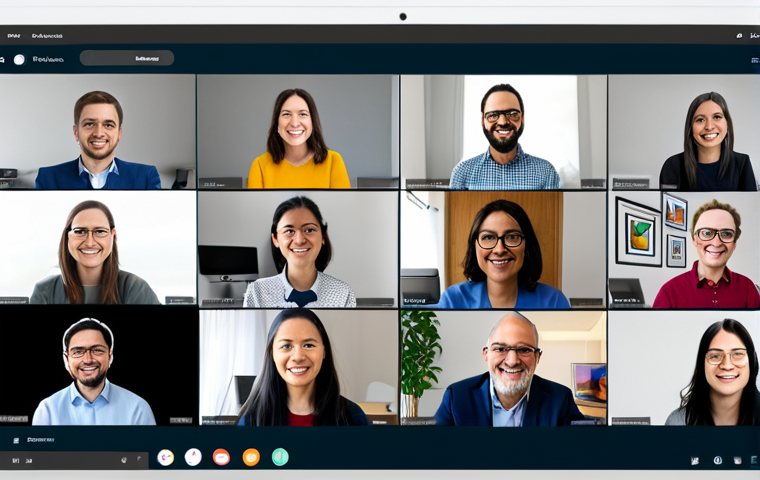
One of the most transformative habits I’ve developed is nurturing a growth mindset. It’s about believing that your abilities and intelligence can be developed through dedication and hard work. This isn’t just some fluffy, feel-good concept; it’s a concrete shift in how you approach challenges and setbacks. I remember when I first started video editing; I was absolutely terrible. My initial reaction was frustration and self-doubt. But by adopting a growth mindset, I started viewing my mistakes as opportunities to learn and improve. I spent hours watching tutorials, experimenting with different techniques, and actively seeking feedback. Over time, I not only improved my editing skills but also developed a resilience that allowed me to tackle even more complex projects. Embrace the idea that you’re not stuck with the skills you have today. You can learn, grow, and evolve into the creator you aspire to be. A growth mindset helps you see failures as stepping stones, not roadblocks, and fuels your passion for continuous improvement.
1. Embrace Challenges as Opportunities
Instead of shying away from difficult tasks, actively seek them out. Volunteer for projects that stretch your skills and force you to learn new things. For example, if you’re primarily a writer, try your hand at video creation or podcasting. The discomfort you feel when stepping outside your comfort zone is a sign that you’re growing. Personally, when I was asked to lead a workshop on a topic I wasn’t entirely comfortable with, I initially hesitated. But I realized it was a fantastic opportunity to deepen my knowledge and improve my presentation skills. I spent weeks researching, practicing, and refining my approach. The experience was challenging, but it ultimately boosted my confidence and expanded my skillset. I also made sure to prepare a presentation that was easy to follow and engaging.
2. Learn from Criticism, Don’t Take It Personally
Feedback is an invaluable tool for growth, but it can be difficult to receive, especially when it’s critical. Instead of getting defensive, try to view criticism as objective information that can help you improve. Ask clarifying questions to fully understand the feedback, and focus on the specific points that are being made. One technique I’ve found helpful is to separate the feedback from my personal identity. For example, instead of thinking “They think I’m a bad writer,” I try to think “They think this particular piece of writing could be improved in these specific ways.” This allows me to detach emotionally and focus on making constructive changes. Remember, even the most successful creators receive criticism; it’s how you respond to it that determines your growth.
Building a Strong Online Community
Creating compelling content is only half the battle. To truly thrive as a content creator, you need to cultivate a loyal and engaged online community. This means actively interacting with your audience, fostering a sense of belonging, and creating spaces where they can connect with each other. Think of your community as a garden; it needs constant tending and care to flourish. I’ve seen firsthand how a strong community can amplify your reach, provide valuable feedback, and even generate new content ideas. When I first started building my community, I made a conscious effort to respond to every comment and message I received. It was time-consuming, but it showed my audience that I genuinely valued their input. Over time, this created a sense of reciprocity, and my community members started supporting each other, sharing their own experiences, and even collaborating on projects.
1. Engage Authentically with Your Audience
Authenticity is key to building trust and fostering genuine connections. Don’t try to be someone you’re not; let your personality shine through in your content and interactions. Respond to comments and messages in a timely and thoughtful manner, and show your audience that you value their input. One way to demonstrate authenticity is to be transparent about your process and share your struggles as well as your successes. When I launched my first online course, I was nervous about the technical aspects and whether people would find it valuable. I shared my anxieties with my community, and their support was incredibly encouraging. This not only helped me overcome my fears but also strengthened my bond with my audience. Also, use social media platforms that are very popular such as tiktok, facebook and twitter.
2. Foster a Sense of Belonging
People are drawn to communities where they feel accepted, valued, and understood. Create opportunities for your audience to connect with each other, such as online forums, group chats, or virtual meetups. Encourage them to share their experiences, ask questions, and offer support to one another. One strategy I’ve used successfully is to create a Facebook group specifically for my community. In this group, members can share their work, ask for feedback, and connect with other creators in their niche. I also host regular Q&A sessions and live streams to facilitate interaction and build a sense of community. Remember, a strong community is built on mutual respect, empathy, and a shared passion for your content.
Prioritizing Self-Care and Preventing Burnout
The relentless demands of content creation can take a toll on your mental and physical health. It’s crucial to prioritize self-care and develop strategies for preventing burnout. This isn’t a luxury; it’s a necessity for maintaining your creativity, productivity, and overall well-being. I learned this the hard way after experiencing a period of intense burnout a few years ago. I was working long hours, neglecting my personal relationships, and feeling increasingly stressed and exhausted. It wasn’t until I started prioritizing self-care that I was able to regain my energy and enthusiasm for creating content. Setting boundaries, taking regular breaks, and engaging in activities that I enjoyed outside of work made a huge difference in my overall well-being. Your worth as a creator isn’t tied to your output; it’s tied to your ability to take care of yourself and nurture your creative spirit.
1. Establish Clear Boundaries Between Work and Personal Life
It’s easy to let work bleed into your personal life when you’re a content creator, especially if you work from home. Set clear boundaries between your work hours and your personal time, and stick to them as much as possible. Turn off notifications, avoid checking email outside of work hours, and create a dedicated workspace that you can physically leave at the end of the day. One strategy I’ve found helpful is to establish a “shutdown ritual” that signals the end of my workday. This might involve closing my laptop, tidying up my workspace, and changing into more comfortable clothes. This ritual helps me mentally transition from work mode to relaxation mode. By creating clear boundaries, you can protect your personal time and prevent burnout.
2. Incorporate Regular Breaks and Downtime into Your Schedule
Taking regular breaks throughout the day can actually increase your productivity and creativity. Short breaks can help you clear your head, recharge your energy, and prevent mental fatigue. Schedule regular breaks into your day, even if it’s just for a few minutes to stretch, walk around, or listen to music. Also, make sure to incorporate longer periods of downtime into your schedule, such as weekends or vacations. During these periods, disconnect from work completely and engage in activities that you enjoy and that help you relax and rejuvenate. I personally enjoy spending time in nature, reading books, and practicing yoga. These activities help me disconnect from the digital world and reconnect with myself.
Mastering Time Management and Organization

Effective time management and organization are essential for staying on top of your workload and avoiding overwhelm. As a content creator, you’re often juggling multiple projects, deadlines, and responsibilities. Without a solid system for managing your time and organizing your tasks, it’s easy to fall behind and feel stressed. Over the years, I’ve experimented with various time management techniques and organizational tools to find what works best for me. I’ve learned that the key is to find a system that you can consistently stick to, and that helps you prioritize your tasks, track your progress, and stay focused on your goals. A well-organized workflow can free up your time and energy, allowing you to focus on creating high-quality content.
1. Prioritize Tasks Using the Eisenhower Matrix
The Eisenhower Matrix is a simple but powerful tool for prioritizing tasks based on their urgency and importance. It involves categorizing your tasks into four quadrants: Urgent and Important, Important but Not Urgent, Urgent but Not Important, and Neither Urgent Nor Important. Focus on completing the tasks in the “Urgent and Important” quadrant first, then schedule time for the tasks in the “Important but Not Urgent” quadrant. Delegate or eliminate the tasks in the other two quadrants. I use the Eisenhower Matrix every day to prioritize my tasks and ensure that I’m focusing on the most critical activities. It helps me avoid getting bogged down in less important tasks and stay on track with my goals. This helps with deadlines and workflow.
2. Use a Project Management Tool to Track Progress
Project management tools can help you organize your tasks, track your progress, and collaborate with others. There are many different project management tools available, such as Trello, Asana, and Monday.com. Choose a tool that fits your needs and your workflow. I personally use Trello to manage my content calendar, track my writing progress, and collaborate with my team. I create a board for each project, and then add cards for each task. I can then assign tasks to team members, set deadlines, and track the progress of each task. This helps me stay organized and ensure that all projects are completed on time and to a high standard. This also helps keep all parties accountable in the project, making workflow efficient.
Staying Updated with Industry Trends and Technologies
The digital landscape is constantly evolving, so it’s crucial to stay updated with the latest industry trends and technologies. This means reading industry blogs, attending conferences, taking online courses, and experimenting with new tools and platforms. Staying informed about the latest trends can help you create more relevant and engaging content, and adopting new technologies can help you streamline your workflow and improve your efficiency. I make it a point to dedicate a certain amount of time each week to learning about new trends and technologies. I subscribe to industry newsletters, follow thought leaders on social media, and attend virtual conferences. This helps me stay ahead of the curve and ensure that my skills and knowledge are up-to-date.
1. Follow Industry Blogs and Thought Leaders on Social Media
Following industry blogs and thought leaders on social media is a great way to stay informed about the latest trends and best practices. Identify the blogs and social media accounts that are most relevant to your niche and follow them regularly. Pay attention to the topics they’re discussing, the tools they’re using, and the strategies they’re recommending. Engage with their content by leaving comments, asking questions, and sharing their posts with your own audience. This will not only help you stay informed but also build relationships with other creators in your industry. Also, try to look for smaller thought leaders in the space so it’s easier to engage with them.
2. Experiment with New Tools and Platforms
Don’t be afraid to experiment with new tools and platforms. Even if they don’t end up being a perfect fit for your workflow, you can still learn something from the experience. Try out new social media platforms, content creation tools, and marketing automation software. See how they can help you improve your content, streamline your workflow, and reach a wider audience. I recently experimented with a new video editing software that I had never used before. It took me a while to learn the ropes, but I eventually discovered some features that I found incredibly useful. This not only improved my video editing skills but also allowed me to create more visually appealing and engaging content. Try it and see what happens!
| Habit | Description | Benefit |
|---|---|---|
| Growth Mindset | Believing abilities can be developed through hard work. | Resilience, continuous improvement |
| Community Building | Actively engaging and fostering a sense of belonging. | Increased reach, valuable feedback |
| Self-Care | Prioritizing mental and physical health. | Preventing burnout, maintaining creativity |
| Time Management | Effective organization and task prioritization. | Reduced overwhelm, increased productivity |
| Staying Updated | Keeping up with industry trends and technologies. | Relevance, improved efficiency |
In Conclusion
Cultivating these habits has been a game-changer for my journey as a content creator. From embracing challenges to prioritizing self-care, each habit has contributed to my growth, resilience, and overall success. I encourage you to incorporate these practices into your own routine and experience the transformative power they can have on your creative work.
Handy Tips to Know
1. Use a Pomodoro Timer: Break your work into focused 25-minute intervals with short breaks in between to maintain concentration.
2. Batch Your Content Creation: Dedicate specific days to filming, writing, or editing to maximize efficiency.
3. Join Online Communities: Engage in relevant forums or social media groups for support and idea exchange.
4. Take Advantage of Free Resources: Utilize free online courses, templates, and stock images to save time and money.
5. Analyze Your Analytics: Regularly review your website or social media analytics to understand what content resonates with your audience.
Key Takeaways
Focus on building a growth mindset to embrace challenges and learn from criticism. Prioritize community engagement for valuable feedback and support. Self-care is essential to prevent burnout and maintain creativity. Implement effective time management techniques to stay organized and productive. Stay updated with industry trends and technologies to remain relevant and competitive.
Frequently Asked Questions (FAQ) 📖
Q: I’m constantly feeling creatively drained. What’s one simple habit I can implement immediately to combat burnout?
A: Honestly, I feel you. I’ve hit that wall more times than I care to admit. My go-to is a “digital detox” of sorts.
Seriously, put down your phone, step away from your laptop, and go for a walk – preferably in nature. Even just 30 minutes, without any distractions, can work wonders.
It allows your brain to decompress and re-engage with the real world, which can spark unexpected ideas. For example, I was stuck on a blog post about social media strategy for weeks.
Then, during a walk in Central Park, I saw a street performer completely captivate a crowd. Boom! Instant inspiration.
My next post was about storytelling and emotional connection, all thanks to a simple walk.
Q: There are so many “expert” opinions out there. How do I know what advice on content creation is actually credible and worth following?
A: That’s a tough one, and trust me, I’ve fallen for my share of “guru” advice. I’ve found that the best approach is to prioritize E-E-A-T: Experience, Expertise, Authoritativeness, and Trustworthiness.
Look for creators who have a proven track record of success, both in their own content and in helping others achieve results. Read case studies, check out their client testimonials, and pay attention to the quality of their work.
Don’t just take their word for it – do your own research. I once spent a whole week following a hyped-up “growth hack” only to find it completely ineffective and outdated.
Lesson learned! Now I heavily vet anything I try.
Q: Time is always my biggest constraint. How can I develop habits that actually save me time in the long run, rather than just adding more to my already overflowing plate?
A: Okay, so this one is huge! Time management is something I continually struggle with, but I’ve discovered that batching is a lifesaver. Instead of writing one blog post, editing a video, and scheduling social media posts all in one day, dedicate specific blocks of time to each task.
For example, every Monday morning, I brainstorm and outline all my blog posts for the week. Then, Tuesday is writing day. Wednesday is editing, and so on.
This allows me to get into a flow state and avoid the constant mental switching that eats up so much time. It was a total game changer when I stopped multi-tasking so much.
I used to feel like I was constantly putting out fires, but now I feel like I’m actually ahead of schedule.
📚 References
Wikipedia Encyclopedia
구글 검색 결과
구글 검색 결과
구글 검색 결과
구글 검색 결과
구글 검색 결과