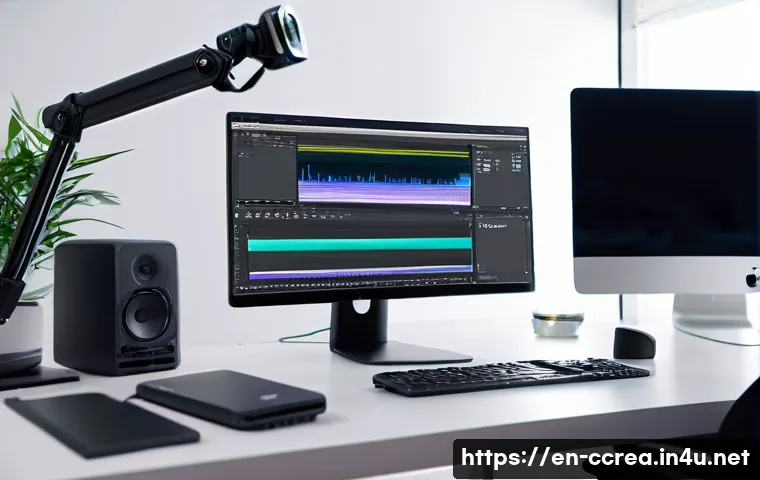
In today’s fast-paced digital world, mastering the right content creation tools isn’t just a bonus—it’s a necessity. With 2024 bringing fresh innovations and rising competition, knowing how to leverage these tools can transform your projects from ordinary to outstanding.
Whether you’re a seasoned creator or just starting out, this guide will walk you through every essential step to stay ahead. Trust me, I’ve tested countless platforms, and having the right toolkit makes all the difference.
Ready to elevate your content game and make your mark this year? Let’s dive in and unlock your full creative potential together.
Choosing the Right Content Creation Tools for Your Needs
Assessing Your Project Requirements
Before diving into any tool, it’s crucial to understand exactly what your project demands. Are you focusing on video editing, graphic design, or maybe blog writing?
Each tool shines in different areas. For instance, if you’re producing videos for social media, you’ll want something that balances ease of use with powerful editing features.
On the other hand, writing a blog might require tools that help with SEO optimization and readability. I’ve found that spending a little time upfront to map out your goals prevents wasting hours on tools that don’t fit your workflow.
Balancing User-Friendliness and Advanced Features
One thing I’ve learned the hard way is that the flashiest tool isn’t always the best one for you. Sometimes, a simple interface that lets you get straight to work beats complicated software packed with features you’ll never use.
For beginners, I recommend starting with intuitive platforms that offer guided tutorials and templates. As you grow more comfortable, you can gradually explore tools with more customization options.
Trust me, nothing kills creativity like getting stuck figuring out how a tool works.
Considering Budget and Subscription Models
The cost of content creation tools can vary wildly, so it’s wise to weigh what you’re getting against your budget. Some tools offer free versions with limited functionality, which might be perfect if you’re just starting out or testing the waters.
For regular creators, investing in a paid subscription often unlocks essential features and better support. I personally prefer yearly plans for the savings, but monthly subscriptions provide flexibility if you want to try multiple platforms before committing.
Mastering Video Editing Tools for Impactful Storytelling
Starting with Basic Editing Techniques
When I first began editing videos, I focused on mastering the basics—cutting, trimming, and adding transitions. These simple skills make a huge difference in keeping your audience engaged.
Most tools offer drag-and-drop timelines which make this process intuitive. Don’t rush into fancy effects until you’re comfortable with these foundational steps.
A clean, well-paced video always wins over flashy but chaotic edits.
Incorporating Audio and Visual Effects Thoughtfully
Adding background music, sound effects, or color grading can elevate your videos significantly, but it’s easy to overdo it. I’ve learned that subtlety is key; enhancing the mood without distracting viewers is the goal.
Many tools come with built-in libraries for royalty-free music and effects, so you don’t have to hunt for resources separately. Experiment with layers of sound and color, but always preview your video to ensure everything blends naturally.
Exporting and Optimizing for Different Platforms
Each platform—YouTube, Instagram, TikTok—has its own preferred video specs and formats. I’ve wasted hours exporting videos only to realize the resolution or aspect ratio wasn’t right for the platform.
Most editing tools now include presets for popular platforms, which is a lifesaver. Take advantage of these to ensure your content looks professional and loads quickly, no matter where it’s viewed.
Enhancing Your Graphics and Visuals with Design Software
Choosing Between Vector and Raster Tools
Understanding the difference between vector and raster graphics is a game-changer. Vector tools like Adobe Illustrator allow you to create scalable logos and icons that don’t lose quality, while raster tools like Photoshop are better for detailed photo editing.
When I started designing, I focused on one tool at a time to avoid overwhelm, gradually building skills that allow me to combine both types effectively in my projects.
Leveraging Templates and Stock Resources
Templates are a fantastic way to speed up your workflow without sacrificing quality. I often use customizable templates for social media posts and presentations, tweaking colors and fonts to match my brand.
Similarly, stock photos and graphics can fill gaps when you don’t have original assets. Just make sure to choose resources with proper licenses and that fit your style, or your content might feel generic.
Collaborating and Sharing Designs Seamlessly
Most modern design tools include collaboration features, which have been invaluable for me when working with clients or team members. Real-time commenting and version history reduce back-and-forth emails and keep everyone on the same page.
Even if you work solo, cloud-based tools let you access your projects from anywhere, making it easy to work on the go or switch devices without losing progress.
Streamlining Writing and SEO with Dedicated Platforms
Boosting Productivity with Writing Assistants
Writing tools that offer grammar checks, style suggestions, and readability analysis can dramatically improve the quality of your content. I rely heavily on these assistants to catch errors I might miss and to polish my tone depending on the audience.
Features like distraction-free modes and goal tracking also help me stay focused and hit word count targets, especially on tight deadlines.
Optimizing Content for Search Engines
SEO is often the make-or-break factor for blog visibility. Tools that analyze keyword density, backlink opportunities, and meta descriptions help me tailor content that ranks higher in search results.
I like platforms that integrate these insights directly into the editor, so I don’t have to juggle multiple apps. Remember, SEO isn’t about stuffing keywords but about naturally weaving them into valuable, engaging content.
Managing Editorial Calendars and Collaboration

Keeping a content schedule is essential for consistency, and many writing platforms now offer calendar features that make planning a breeze. When working with teams, shared calendars and task assignments keep everyone accountable.
I’ve found that visualizing deadlines and content stages reduces stress and prevents last-minute rushes, which ultimately leads to better quality output.
Utilizing Social Media Management Tools to Amplify Reach
Scheduling Posts for Maximum Engagement
Social media management tools let you plan and schedule posts across multiple platforms, saving hours each week. I’ve noticed that posting during peak engagement times—usually early mornings or evenings—can significantly boost visibility.
These tools often provide analytics to identify the best posting windows tailored to your audience, which is something I always check before finalizing my schedule.
Monitoring and Responding to Audience Interactions
Engagement is a two-way street. Tools that aggregate comments, messages, and mentions from various platforms into one dashboard make it easier to respond promptly.
From personal experience, timely replies foster stronger connections and build community loyalty. Some platforms also offer automated responses for common queries, which can be a huge help during busy periods.
Analyzing Performance and Adjusting Strategies
Tracking what works and what doesn’t is crucial for growth. Social media tools provide detailed reports on post reach, engagement rates, and follower demographics.
I use this data to tweak content types and posting frequency. For example, if videos outperform images on a particular platform, I’ll shift my focus accordingly.
Consistent analysis keeps your strategy fresh and aligned with audience preferences.
Comparing Popular Content Creation Tools at a Glance
| Tool | Main Use | Strengths | Pricing | Best For |
|---|---|---|---|---|
| Adobe Creative Cloud | Video, Design, Photo Editing | Industry standard, powerful features, wide integration | Subscription-based (monthly/yearly) | Professional creators and agencies |
| Canva | Graphic Design, Social Media | User-friendly, extensive templates, collaboration | Free with premium options | Beginners and small businesses |
| Final Cut Pro | Video Editing | Optimized for Mac, advanced editing tools, fast rendering | One-time purchase | Mac users, video professionals |
| Grammarly | Writing Assistant | Grammar checking, style suggestions, tone detection | Free with premium options | Writers, bloggers, professionals |
| Hootsuite | Social Media Management | Post scheduling, analytics, multi-platform support | Subscription-based | Marketers, social media managers |
Integrating Multiple Tools for a Seamless Workflow
Creating a Unified Content Pipeline
I’ve found that the magic happens when you connect your tools, creating a smooth handoff from one stage to the next. For example, drafting blog posts in a writing app, then exporting images from a design tool, and finally scheduling everything via a social media manager.
This approach reduces repetitive tasks and keeps your content consistent. Many tools now support integrations or APIs, making this easier than ever.
Automating Repetitive Tasks to Save Time
Automation is a total game-changer. Setting up automatic backups, content posting, or even email notifications frees up mental space for creativity. I set automation rules that publish content at scheduled times and send reminders for deadlines.
This way, I don’t have to worry about the small stuff and can focus on making each piece better.
Evaluating and Adjusting Your Toolkit Regularly
Your needs will evolve, and so should your toolkit. I make it a habit to review my tools every six months, testing new features or platforms that pop up.
Sometimes, a fresh tool can boost productivity or open up creative possibilities I hadn’t considered. Staying flexible and curious helps me keep my content both current and compelling.
Conclusion
Choosing the right content creation tools can truly transform your workflow and elevate the quality of your projects. By understanding your needs and balancing usability with features, you set yourself up for success. Remember to stay flexible and keep experimenting to find what fits best. With the right toolkit, creating engaging content becomes not just easier but also more enjoyable.
Helpful Tips
1. Always start by clearly defining your project goals before selecting any tool to avoid wasted time and effort.
2. Test free versions or trial periods first to get a feel for the interface and features before committing financially.
3. Use templates and stock resources wisely to speed up your creative process without sacrificing uniqueness.
4. Schedule your social media posts during peak engagement times to maximize reach and interaction.
5. Regularly review and update your content creation tools to stay current with new features and improve productivity.
Key Takeaways
Effective content creation depends on choosing tools that align with your specific project requirements and skill level. Prioritize ease of use alongside essential features to maintain creativity without frustration. Budget considerations are important, but investing in the right tools pays off in quality and efficiency. Integrating multiple platforms and automating routine tasks can streamline your workflow, saving you valuable time. Lastly, continually reassess your toolkit to adapt to evolving needs and trends for sustained success.
Frequently Asked Questions (FAQ) 📖
Q: uestionsQ1: What are the must-have content creation tools for 2024?
A: From my experience testing dozens of platforms, the essentials this year include versatile video editors like Adobe Premiere Pro and user-friendly graphic design tools such as Canva Pro.
AI-powered writing assistants like Jasper can speed up content drafting, while social media schedulers like Buffer help maintain consistent posting. The key is to pick tools that fit your workflow and goals, not just the latest trends.
Q: How can I choose the right tools without feeling overwhelmed by options?
A: I totally get that—it’s easy to get lost in the sea of choices. Start by identifying your content type and primary goals: Are you focusing on video, blog posts, or social media?
Then, try free trials or basic plans to get a hands-on feel before committing. I found that narrowing down to 2-3 tools that integrate well with each other reduces hassle and boosts productivity.
Q: Will investing time in mastering these tools really improve my content’s performance?
A: Absolutely! I’ve noticed a huge difference when I took the time to learn advanced features instead of just skimming the surface. Mastery means faster workflows, higher-quality output, and more engaging content that resonates with your audience.
Plus, it builds your confidence and opens doors for monetization opportunities down the line. It’s an investment that pays off big time.