Lately, content creators everywhere are facing an unprecedented wave of pressure—from tight deadlines to the constant demand for fresh ideas. It’s no secret that managing stress has become just as important as mastering creativity itself.

If you’ve ever felt overwhelmed or stuck in a creative rut, you’re definitely not alone. In this post, we’ll dive into effective stress management techniques tailored specifically for creators like you, helping you stay calm, focused, and inspired.
Ready to transform your creative process and reclaim your peace of mind? Let’s get started.
Building a Daily Rhythm That Supports Creativity
Designing Your Ideal Workday
Finding a daily rhythm that feels natural can be a game-changer for reducing stress. Instead of forcing yourself into arbitrary time slots, try to observe when your creative energy peaks during the day.
For me, early mornings are pure gold—when the world is quiet, and ideas flow effortlessly. Scheduling demanding tasks during this window makes a huge difference.
On the flip side, afternoons can be reserved for lighter activities like research or brainstorming. Crafting a day that respects your natural flow prevents burnout and keeps the creative juices flowing steadily.
Incorporating Intentional Breaks
Breaks aren’t just pauses; they’re fuel stops. When deadlines pile up, it’s tempting to power through, but that often backfires. I’ve found that taking short, intentional breaks—like a five-minute stretch or a quick walk outside—recharges my mind far better than pushing nonstop.
Even simple breathing exercises during these breaks can calm nerves and improve focus. Remember, your brain isn’t a machine; it thrives on balance between work and rest.
Setting Boundaries to Protect Your Time
One of the biggest stress triggers is blurred boundaries between work and personal life. Especially for content creators working from home, it’s easy to let work spill over into every hour.
Defining clear start and stop times helps create mental separation. I use a ritual to mark the end of my workday—shutting down my computer, turning off notifications, and stepping away from my workspace.
This small act signals to my brain that it’s time to relax, which greatly reduces lingering stress.
Nurturing Your Mind Through Mindfulness and Meditation
Simple Mindfulness Practices for Creators
Mindfulness isn’t about sitting cross-legged for hours; it’s about being present. When I first tried mindfulness, I was skeptical, but even a few minutes of focusing on my breath or noticing sounds around me helped slow racing thoughts.
These practices anchor you in the moment, making stress feel less overwhelming. Over time, mindfulness becomes a habit that gently pushes stress to the sidelines, leaving more room for creativity.
Guided Meditation to Reset Your Day
On particularly tough days, guided meditations have been a lifesaver. There are plenty of apps and online resources that offer short, creator-focused sessions aimed at calming the mind and fostering clarity.
Personally, I keep a few favorites bookmarked and use them whenever I feel stuck or anxious. It’s like hitting a mental reset button, which not only alleviates stress but often sparks new ideas.
Using Visualization to Boost Confidence
Visualization is a powerful but often overlooked tool. Before starting a project, I visualize the entire process—from the initial concept to the final piece—and imagine positive outcomes.
This technique helps reduce anxiety about deadlines or quality, replacing fear with excitement. It’s like rehearsing success in your mind, which naturally lowers stress and strengthens your creative resolve.
Optimizing Your Workspace for Calm and Creativity
Decluttering to Clear Your Mind
A cluttered workspace often mirrors a cluttered mind. I used to underestimate how much my environment affected my stress levels until I committed to decluttering.
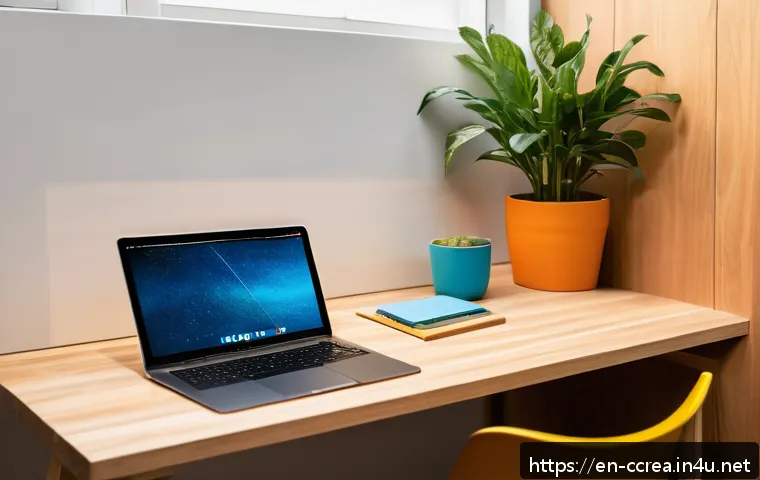
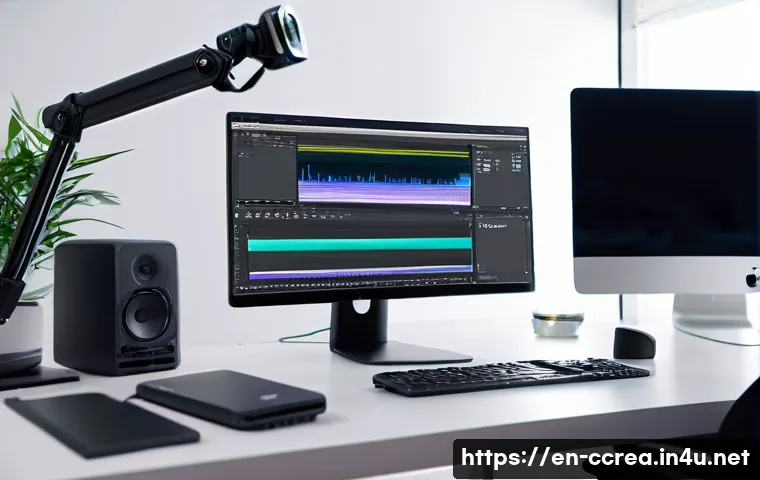
Removing unnecessary items and organizing my tools has made my workspace feel more inviting and less chaotic. This simple change creates a calming atmosphere that encourages focus and creativity, rather than distraction and overwhelm.
Lighting and Ambience That Inspire
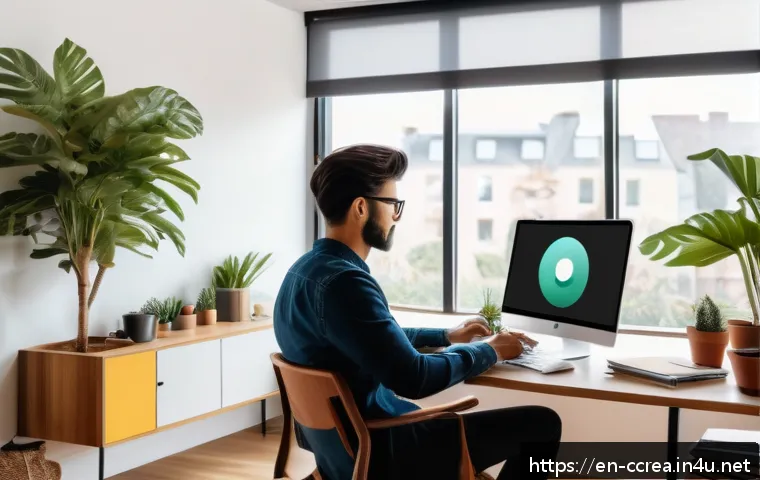
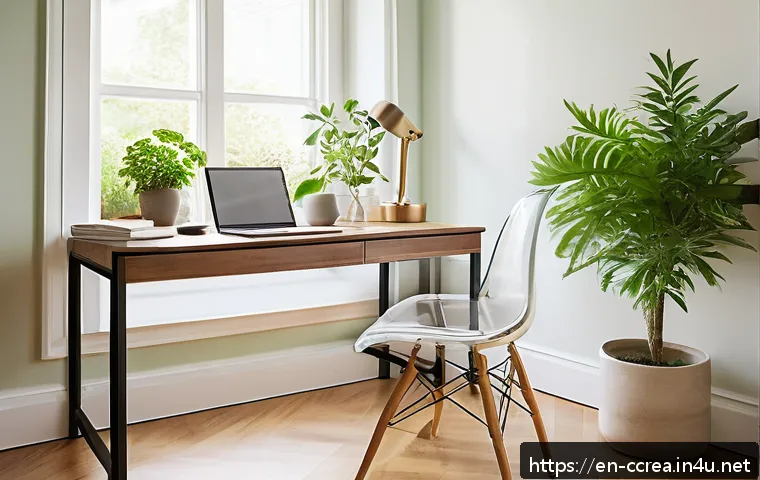
Lighting can dramatically impact mood and energy. Natural light is ideal, but when that’s limited, I use soft, warm bulbs to create a cozy vibe. Adding plants or subtle scents can also uplift the space.
I experimented with different setups until I found what made me feel most relaxed and inspired. Your workspace should feel like a sanctuary, a place where stress melts away and ideas flourish.
Ergonomics to Prevent Physical Strain
Sitting awkwardly or hunching over your desk can add physical discomfort to your mental stress. Investing in ergonomic furniture or even simple adjustments like monitor height and chair support can make long work sessions much more comfortable.
When your body feels good, your mind follows suit. I noticed a significant drop in tension headaches and fatigue after optimizing my setup, which translated to better concentration and creativity.
Leveraging Social Connections for Emotional Support
Finding Your Creative Tribe
Isolation is a common stressor among content creators. Connecting with others who understand your challenges can provide invaluable emotional support.
Joining online forums, attending local meetups, or participating in creator groups helped me feel less alone. Sharing experiences, tips, and even frustrations creates a sense of community that lightens the emotional load and sparks fresh inspiration.
Accountability Partners to Stay on Track
Having someone to check in with can boost motivation and reduce the anxiety of looming deadlines. I paired up with a fellow creator who shares similar goals, and we regularly exchange updates and feedback.
This mutual accountability not only keeps us on track but also offers a safe space to vent and celebrate progress. Knowing someone else is rooting for you is incredibly reassuring.
Seeking Professional Help When Needed
Sometimes, stress becomes too heavy to manage alone. Recognizing when to seek professional support is a strength, not a weakness. Therapy or coaching tailored to creative professionals can provide coping strategies and emotional tools that are hard to find elsewhere.
I reached out to a counselor during a particularly tough period, and it made a noticeable difference in my resilience and outlook.
Practical Techniques to Manage Creative Overwhelm
Breaking Projects Into Manageable Chunks

Facing a huge project can feel paralyzing. I’ve learned that dividing work into smaller, actionable steps makes things less daunting. Creating a checklist or timeline for each phase helps track progress and provides a sense of accomplishment along the way.
This approach not only reduces stress but keeps momentum going, which is critical when creativity feels elusive.
Using Time-Blocking to Prioritize Tasks
Time-blocking means dedicating specific periods to focused work on one task, avoiding multitasking. I started using this method to protect creative time from distractions.
Setting a timer and committing fully to one task helped me dive deeper and produce better work faster. It also created clear boundaries that prevented the feeling of endless work spilling into every moment.
Allowing Flexibility for Spontaneous Creativity
While structure is important, being too rigid can stifle creativity and increase stress. I found that leaving open slots in my schedule for spontaneous projects or idea exploration keeps things fresh and fun.
This flexibility allows creativity to breathe and often leads to unexpected breakthroughs that structured time alone can’t provide.
Tracking Your Stress and Creativity Patterns
Keeping a Stress and Productivity Journal
Writing down daily stress triggers and creative wins can reveal patterns you might miss otherwise. For weeks, I jotted down what stressed me and when my creativity peaked.
This simple habit helped me identify which tasks to schedule at optimal times and which stressors to avoid or mitigate. Reflecting on these notes regularly empowers smarter planning.
Using Apps to Monitor Mood and Focus
Technology can be a helpful ally if used wisely. Apps designed to track mood, focus, or even sleep quality provide data that helps tailor your workflow.
I experimented with a few and found that seeing trends visually made it easier to adjust habits proactively, rather than reactively dealing with burnout.
Adjusting Strategies Based on Your Data
The most important step after tracking is action. I took my journal and app insights to tweak my schedule, workspace, and break habits. This ongoing adjustment process is essential because stress and creativity are dynamic, not static.
Being flexible and responsive to your own data ensures sustained balance and growth.
| Technique | Benefit | Example |
|---|---|---|
| Daily Rhythm Alignment | Reduces burnout by matching work to energy peaks | Working on writing early morning, brainstorming in afternoon |
| Mindfulness Practice | Improves focus and calms anxiety | 5-minute breathing exercises before starting work |
| Workspace Optimization | Enhances comfort and reduces distractions | Decluttered desk with warm lighting and ergonomic chair |
| Social Connection | Provides emotional support and accountability | Weekly check-ins with a creative peer group |
| Project Chunking | Breaks overwhelm into manageable tasks | Creating a checklist for each phase of content creation |
| Stress Tracking | Identifies triggers and productivity patterns | Keeping a journal of mood and task completion daily |
Embracing Self-Compassion During Creative Lows
Recognizing That Creativity Fluctuates
Understanding that creative energy naturally ebbs and flows can ease self-imposed pressure. I used to beat myself up on low-output days, but accepting these as part of the cycle helped me stay kinder to myself.
This shift in mindset reduces stress and allows space for rejuvenation, which ultimately leads to stronger creative returns.
Practicing Positive Self-Talk
The inner dialogue we carry influences stress levels profoundly. When negative thoughts creep in, consciously replacing them with encouraging affirmations can change the emotional landscape.
Saying things like, “I’m doing my best” or “This is just a phase” became a small but powerful tool in my stress toolkit.
Celebrating Small Wins
Focusing only on big milestones can make progress feel invisible. I make it a habit to celebrate even minor achievements—like finishing a paragraph or completing research.
These celebrations create positive reinforcement that combats stress and keeps motivation alive, reminding me that every step forward counts.
In Conclusion
Creating a daily rhythm that aligns with your natural energy, incorporating mindful breaks, and optimizing your workspace can significantly enhance your creative flow and reduce stress. Building strong social connections and tracking your patterns help maintain balance and motivation. Remember, embracing self-compassion during creative lows nurtures resilience and long-term growth. These strategies together form a sustainable approach to thriving creatively every day.
Helpful Tips to Keep in Mind
1. Identify your peak creative hours and schedule your most demanding tasks during these times to maximize productivity.
2. Take regular, intentional breaks to recharge your mind—short walks or breathing exercises work wonders.
3. Keep your workspace clean and comfortable with good lighting and ergonomic furniture to reduce distractions and physical strain.
4. Connect with like-minded creators for emotional support and accountability, which can alleviate feelings of isolation.
5. Use journals or apps to monitor your stress levels and creative output, allowing you to adjust habits proactively.
Key Takeaways for Managing Creative Stress
Establishing a personalized routine that respects your natural rhythms is crucial to avoiding burnout. Mindfulness and visualization techniques provide mental clarity and reduce anxiety. A well-organized, inspiring workspace supports focus and comfort, while social connections offer essential emotional backing. Breaking projects into smaller tasks and tracking your progress keeps overwhelm at bay. Finally, practicing self-compassion ensures you stay motivated and resilient through the inevitable ups and downs of the creative journey.
Frequently Asked Questions (FAQ) 📖
Q: uestions about Stress Management for Content CreatorsQ1: How can I quickly reduce stress when facing a tight deadline?
A: When a deadline is looming and stress hits hard, try stepping away for just 5 to 10 minutes to reset your mind. Deep breathing exercises, a quick walk, or even stretching can help lower cortisol levels and clear mental fog.
From my experience, this brief pause refreshes creativity and improves focus, making it easier to tackle the task with renewed energy rather than pushing through exhaustion.
Q: What are some effective ways to prevent creative burnout over time?
A: Preventing burnout starts with setting realistic goals and carving out time for breaks and hobbies unrelated to work. I’ve found that maintaining a balanced routine—like scheduling “no-work” zones during the day and diversifying creative activities—keeps the mind engaged without feeling drained.
Also, connecting with other creators for support or inspiration can reignite motivation and remind you that you’re not alone in the struggle.
Q: How do I stay inspired when I’m stuck in a creative rut?
A: Getting stuck happens to everyone, and the best remedy is often a change of scenery or perspective. Personally, I like to switch up my environment—working from a café, park, or even rearranging my workspace sparks fresh ideas.
Additionally, consuming different types of content, like podcasts or art outside your niche, can trigger unexpected inspiration. Don’t hesitate to give yourself permission to pause and explore new sources of creativity.